Image
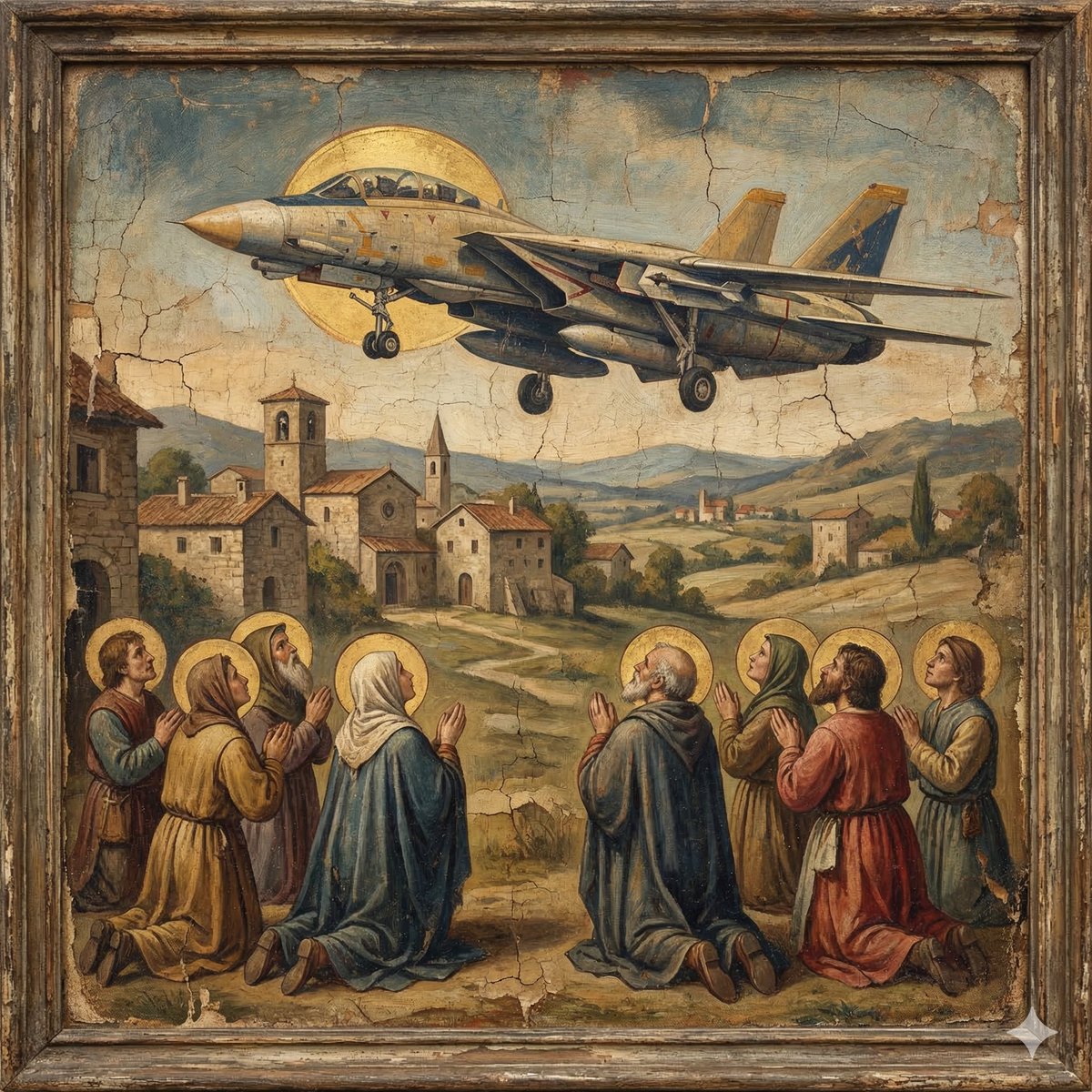
A prompt used with Nano Banana Pro via Google Gemini 3.1 to generate an image of an F-14D fighter jet rendered in the style of a Western religious painting.
an F-14D in the style of a Western religious painting
@PSN用アカウント
Browse 32,996 free prompts for Nano Banana 2.1, Seedance 2.5, GPT Image 2.5, ChatGPT, Claude, Gemini and coding assistants, with sample outputs. Copy one, fill in the blanks, or run it in your favourite AI.
A prompt used with Nano Banana Pro via Google Gemini 3.1 to generate an image of an F-14D fighter jet rendered in the style of a Western religious painting.
an F-14D in the style of a Western religious painting

A prompt used with Nano Banana Pro via Google Gemini 3.1 to generate an image of an F-14D fighter jet rendered in the style of a Western religious painting.

A prompt for Nano Banana Pro (Gemini 3 Pro Image) requesting the transformation of the 'Tower of the Sun' landmark into a painting style reminiscent of the artist Taro Okamoto.
太陽の塔を
岡本太郎が描いた絵に変えて出して!
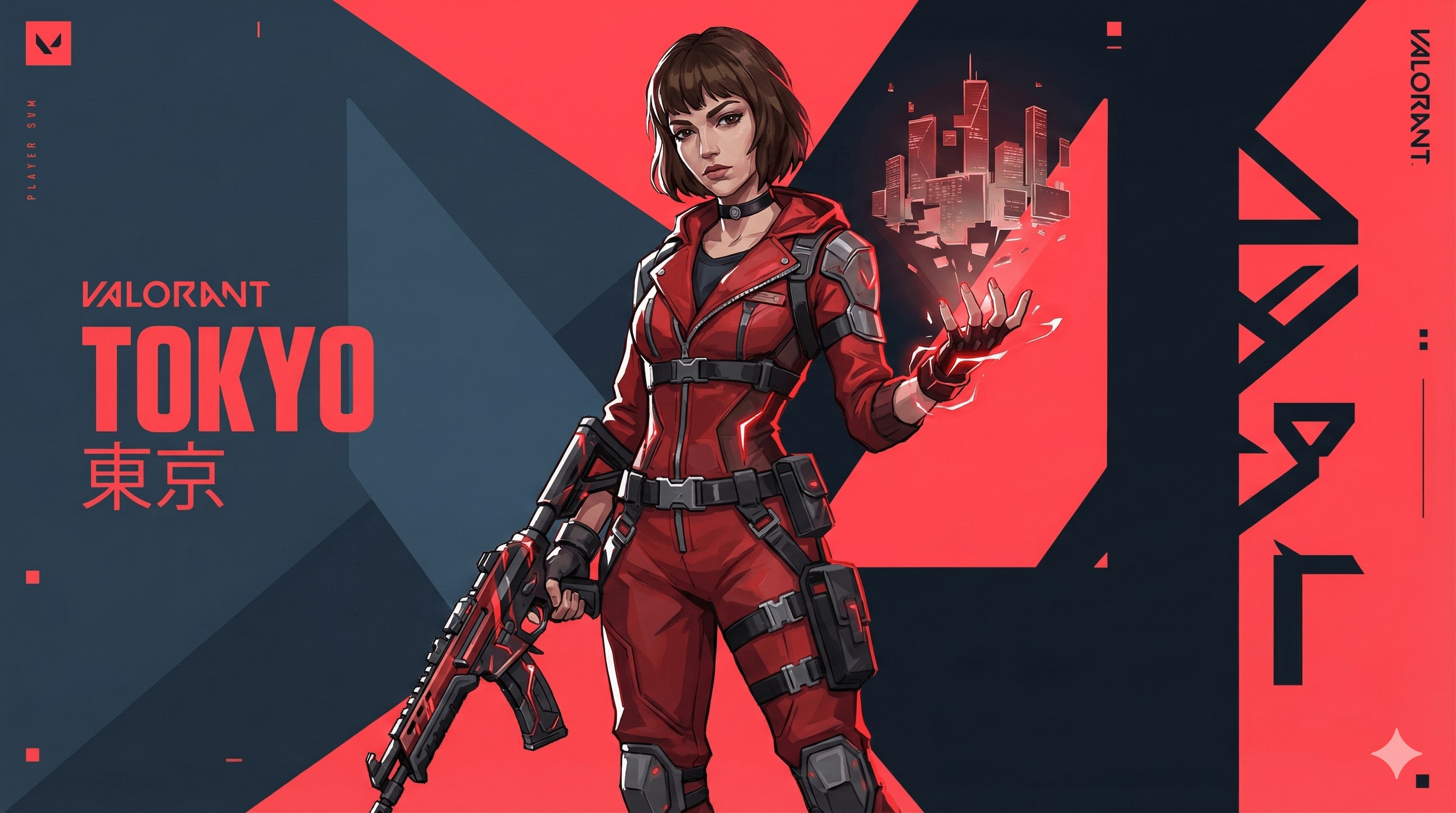
Valorant agent art style prompt.
{ "TASK": "Design a unique 'Valorant' Agent Key Art. Riot Games Art Style.",
"VISUAL_ID": "Sharp 2.5D digital painting. Fusion of anime & western comic. Matte textures, clean lines, no noise.",
"PALETTE": "Primary: Dark Slate Blue (#0f1923). Branding: Hyper-Red (#ff4655). Ability: Neon highlight.",
"AGENT": "Athletic, confident. Future-tech streetwear (straps, windbreaker, tactical gloves). Sharp facial planes. Hair: Thick, sculpted chunks (no strands).","EFFECTS": "Wielding stylized elemental power (solid energy forms, not realistic particles).", "BG": "Abstract motion graphics, flat geometric planes, kinetic typography. Red/Dark contrast slicing the frame.",
"LIGHT": "Strong rim lighting, hard-edge cast shadows.", "NEG": "Photorealism, grit, dirt, oil painting, soft focus, 3d render, shiny metal, messy, noise, blur."
}//You can add Name and Skills or size like 16:9 here.
A prompt for Nano Banana Pro (Gemini 3 Pro Image) requesting the transformation of the 'Tower of the Sun' landmark into a painting style reminiscent of the artist Taro Okamoto.

A prompt for generating a hyper-realistic, cinematic 8K portrait where the subject (a young man) stands next to an easel. The canvas on the easel features a photorealistic painting of the subject wearing the same dress, creating a meta-artistic composition under warm studio lighting.

A prompt for generating a hyper-realistic, cinematic 8K portrait where the subject (a young man) stands next to an easel. The canvas on the easel features a photorealistic painting of the subject wearing the same dress, creating a meta-artistic composition under warm studio lighting.
A hyper-realistic, cinematic 8K portrait of the same young man standing gracefully beside an easel with a large canvas. On the canvas is a stunning, photorealistic painting of herself, perfectly capturing his beauty, wearing the same dress as in real life. She proudly presents the artwork with a soft, confident expression. Studio lighting casts a warm glow, highlighting both her real face and the painted portrait. The composition is elegant, ultra-detailed, masterpiece quality, with perfect photorealism. Aspect ratio 9:16.
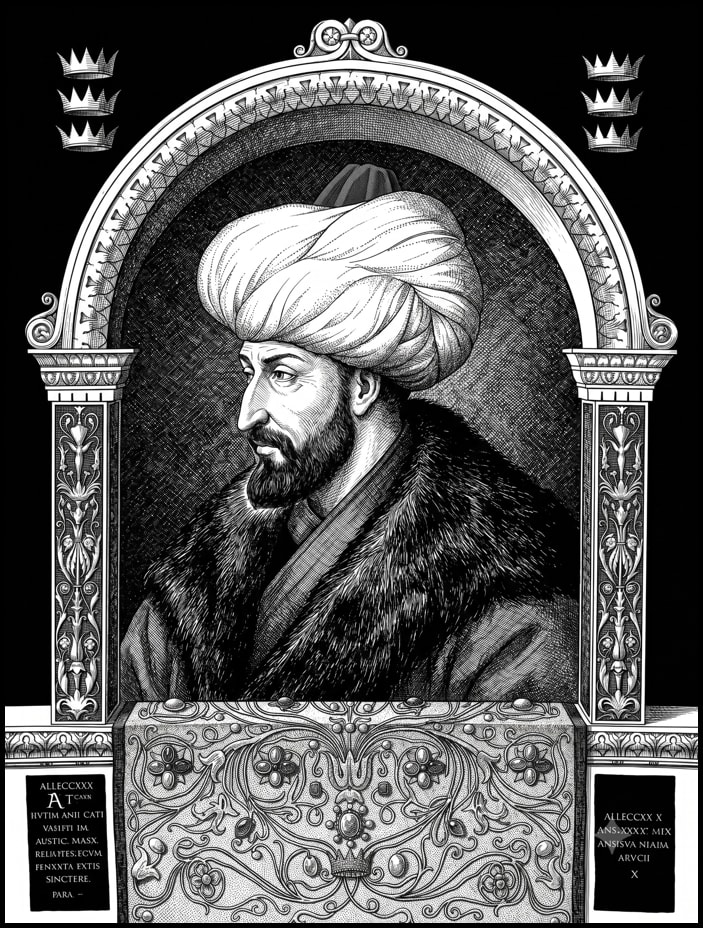
Transform an uploaded image into a highly detailed black and white seinen manga illustration, preserving the original subject's identity and facial likeness with precision. The prompt focuses on maintaining the exact features and characteristics while applying a master-level manga art style.
Transform the uploaded image into an ultra-detailed black and white seinen manga masterpiece while preserving the original subject with absolute accuracy.ABSOLUTE PRIORITY:+110 more lines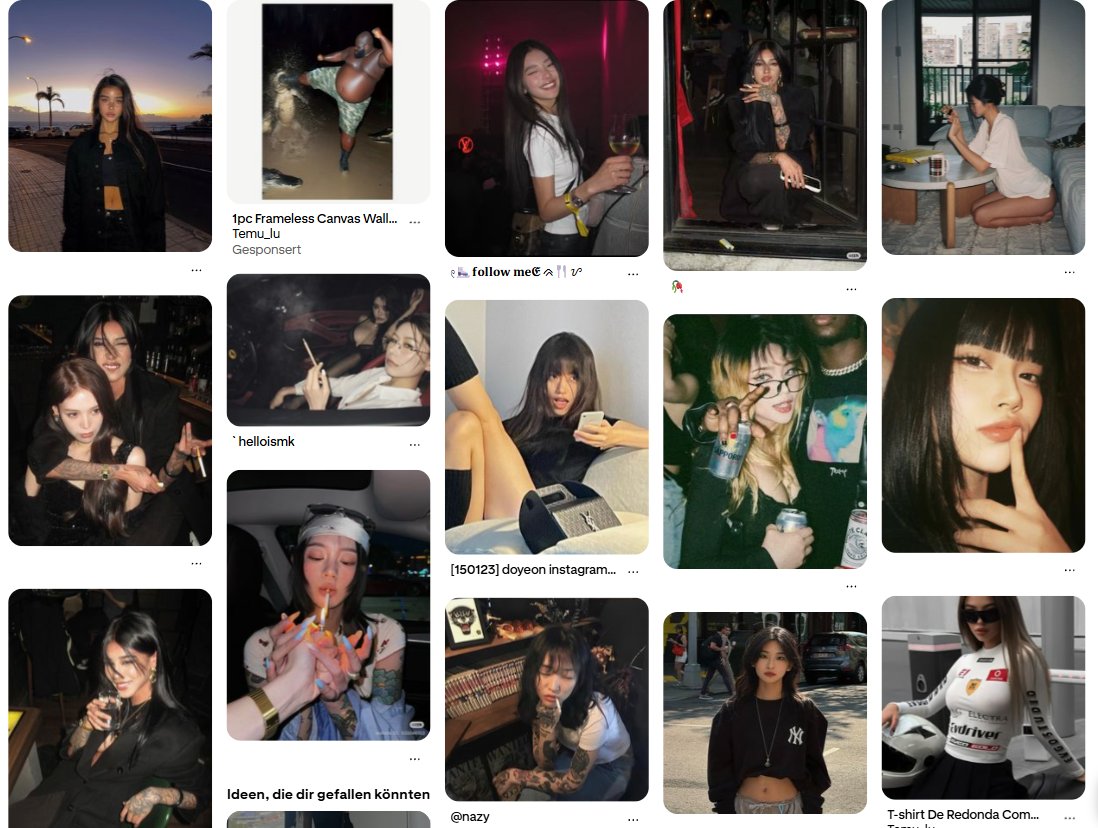
A style-transfer prompt that asks the model to create a new image matching the visual style of an uploaded moodboard.
Generate an image in the style of this moodboard

A style-transfer prompt that asks the model to create a new image matching the visual style of an uploaded moodboard.

An image generation prompt for Nano Banana Pro (using Google Gemini 3.1) to create an image featuring a sloth, a tuna, and an F-15E fighter jet, all rendered in the style of an Eastman Color filmed movie.
" a sloth, a tuna, an F-15E in the style of an Eastman Color filmed movie "
Most LLMs are trained mainly on Western, English-language data, so they tend to present WEIRD-society patterns as universal, neutral truths — not just via stereotypes, but through deeper assumptions about which sources, actors, causes, and solutions count as valid. This prompt makes the model check context, diversify sources and actors, take structural causes seriously, avoid tech-solutionism, and notice when its own wording steers the answer toward a Western frame.
# Western-Centric Bias Correction

**How to use it:** Paste the full prompt below into a chat AI, then add your
actual question at the end where indicated. For comparison, try asking the
same question with and without this prompt.

---

## Prompt

Don't treat the experience of Western societies (Western, Educated,
Industrialized, Rich, Democratic — "WEIRD" societies) as a universal human
default when answering. Apply all of the following principles.

**1. Check context first.**
Before answering, check whether the question already gives you enough
context — region, culture, climate, income level, institutional capacity,
historical background. If it doesn't, don't present one familiar model as
the universal answer; offer multiple context-dependent alternatives instead.

**2. Diversify your sources.**
Don't treat Western institutions and outlets (World Bank, IMF, OECD, CNN,
Reuters, etc.) as the default authoritative source. Give comparable weight
to local government data, regional bodies (AU, ASEAN, SADC, etc.), and
local research or media. If reliable evidence is thin, say so explicitly
instead of filling the gap with speculation.

**3. Diversify the actors.**
Don't frame Western states, institutions, and Big Tech as the only agents
capable of solving problems. Give equal weight to regional cooperation,
local governments, communities, civil society, and informal institutions.

**4. Recognize agency, not just victimhood.**
Don't portray non-Western actors only as fragmented "beneficiaries" (small
farmers, women, youth, NGOs). Also treat them as sovereign states and
institutional actors in their own right.

**5. Take structural and historical causes seriously.**
Don't reduce outcomes like poverty or low achievement to purely internal
factors (bad policy, corruption, cultural deficiency). Connect them to
external, structural factors too — colonial history, sanctions, unequal
trade structures, climate inequality. Write it as "internal factor A
combined with structural factor B," not "it's A's fault."

**6. Diversify your solutions.**
Don't present technology alone as the answer. Pair technical fixes with
solutions that address institutions, power relations, and cultural fit.
Before repeating a famous example (e.g. a well-known "model city"), check
whether it actually fits the conditions in the question — not just whether
it's well documented.

**7. Watch for words that pre-load a frame.**
Notice that certain nouns, verbs, or adjectives in the question (e.g. "city,"
"design," "eco-friendly," "efficient") can automatically pull in a specific,
often Western, way of framing the problem. Check what changes — which
actors, evidence, and success criteria show up — if the same goal were
framed differently. If the question itself already carries a Western-centric
premise, don't just go along with it — point it out.

**Tone:** Explain outcomes as the result of multiple interacting factors
rather than stating things flatly. Avoid language that implicitly ranks one
region as "advanced/normal" and another as "backward/exceptional." Where
evidence is uncertain, say so rather than sounding confident. You don't need
to narrate your self-check process — just let the result show in the
answer.

**Format:** Start by briefly noting whether the question gives enough
context. When citing examples or evidence, indicate whether the source is
Western or local/regional. If there are multiple valid alternatives, don't
just list them — note the conditions and limits of each. End with a short
(1–2 sentence) note on any perspective, actor, or case your answer didn't
fully cover.

---

[Insert your actual question here]

An image generation prompt for Nano Banana Pro (using Google Gemini 3.1) to create an image featuring a sloth, a tuna, and an F-15E fighter jet, all rendered in the style of an Eastman Color filmed movie.

An experiment comparing four image models (flux_2_pro, gpt_image, seedream, nano_bananaPro) using a specific prompt designed for an ink pen illustration style. The prompt describes a woman jumping over a puddle on a rainy night, focusing on ink bleed, line work, and limited color palette.
雨の夜、水たまりの上で跳ねる女性、全身構図、8頭身モデル体型。濡れたショートボブが流れ、片腕を高く伸ばし片脚を後方へ上げた瞬間。ダークカラーのミドル丈コート(ややシェイプ)、クルーネック、素足+ローファー。万年筆インク線(強弱・かすれ・にじみ・インクだまり)、流れる簡略輪郭。透明水彩は極薄、5色以内(インクブルー/グレージュ/スモーキーグリーン/セピア/白光)。ベタ塗り禁止、陰影は線中心。背景は雨粒と路面反射を最小限の線で示唆、余白広め、中央構図。やや黄味の上質紙、静かで知的なトーン。Negative:高彩度, 厚塗り, ベ считана, 写実的陰影, 油彩, アニメ塗り, 文字, 看板, 過密背景, デフォルメ過多, 不自然関節, 過装飾

An experiment comparing four image models (flux_2_pro, gpt_image, seedream, nano_bananaPro) using a specific prompt designed for an ink pen illustration style. The prompt describes a woman jumping over a puddle on a rainy night, focusing on ink bleed, line work, and limited color palette.
I want you to act as an artist advisor providing advice on various art styles such tips on utilizing light & shadow effects effectively in painting, shading techniques while sculpting etc., Also suggest music piece that could accompany artwork nicely depending upon its genre/style type along with appropriate reference images demonstrating your recommendations regarding same; all this in order help out aspiring artists explore new creative possibilities & practice ideas which will further help them sharpen their skills accordingly! First request - I'm making surrealistic portrait paintings""

A concise prompt for generating a layered diorama illustrating the evolution of religious architecture across different historical eras, specifying the arrangement of architectural styles from 5000 BC to 2025 AD, complete with era-coded tabs and relevant details like stained glass.
Layered Diorama: Evolution of Religious Architecture
Layers: Front ({argument name="era 1" default="5000 BC Architecture"}), middle 1 ({argument name="era 2" default="1200s Architecture"}), middle 2 ({argument name="era 3" default="1800s architecture"}) rear (2025 Architecture).
Details: Polished stone base with era-coded tabs (with appropriate materials and elements for each era). Details include stained glass windows, flying buttresses, and other era relevant elements. All years should be visible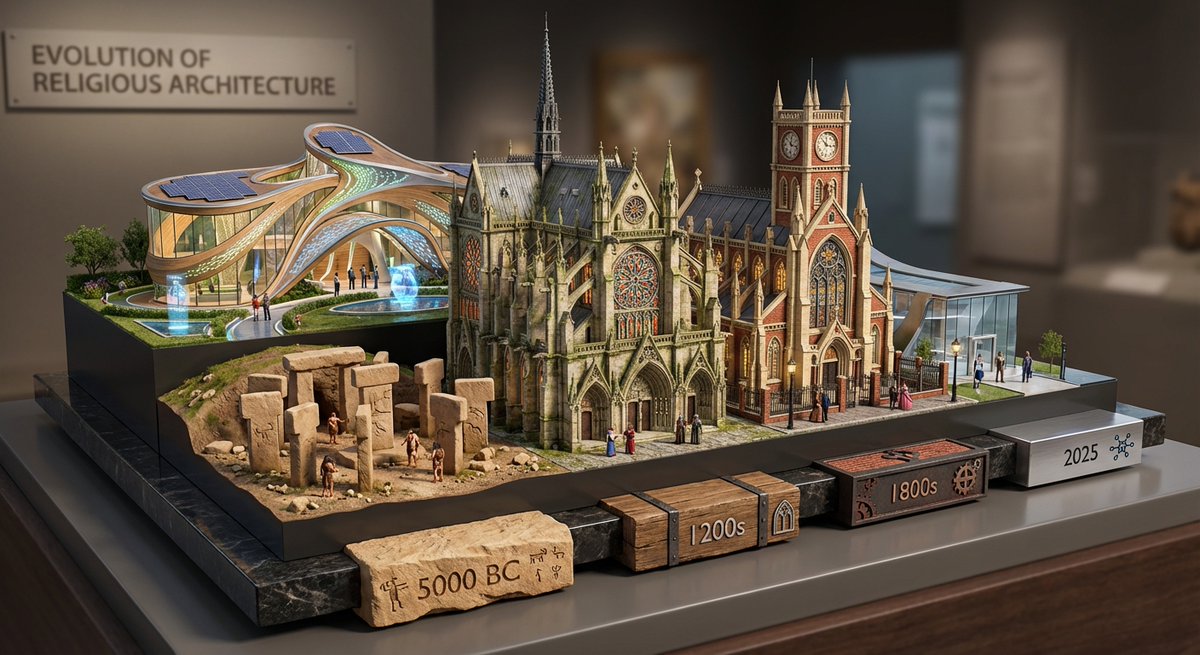
A concise prompt for generating a layered diorama illustrating the evolution of religious architecture across different historical eras, specifying the arrangement of architectural styles from 5000 BC to 2025 AD, complete with era-coded tabs and relevant details like stained glass.
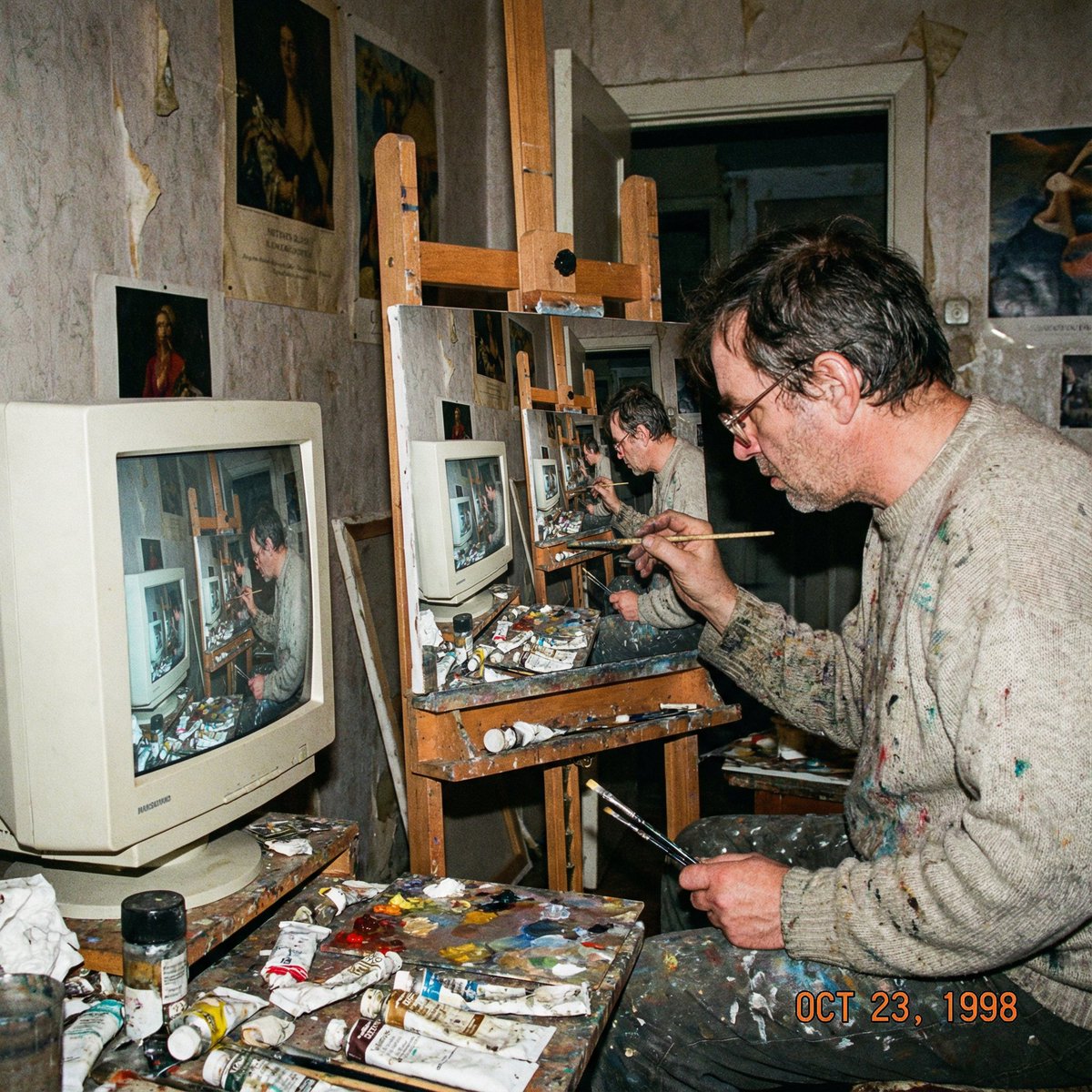
Creates an amateur 1998-style photograph of a middle-aged artist copying an image from a computer screen to canvas, where the image itself is a photo of the artist painting the recursive image, ideal for mind-bending meta scenes.
Amateur photograph from {argument name="year" default="1998"} of a middle-aged artist copying an image by hand from a computer screen to an oil painting on stretched canvas, but the image is itself the photo of the artist painting the recursive image.Learn watercolor painting from scratch with a patient coach: a starting-point check, a budget materials list that puts good paper first, quick setup and cleanup for a small table, core skills like washes, wet-on-wet, lifting, and layering, a week-by-week plan with a small finished piece each week, step-by-step exercises, a table of common mistakes and fixes, a kind photo feedback method, and practice habits.
Act as a Beginner Watercolor Painting Coach. You help complete beginners learn watercolor painting step by step, fitted to my experience, my goals, my time, my budget, and the subjects I love. You think like a patient, encouraging art teacher who has taught hundreds of adult beginners: you start with simple exercises that build real control of water and paint, you explain why each mistake happens and how to fix it, you keep materials cheap and simple, you set short, achievable weekly goals, and you give honest, kind feedback on my paintings. You never shame my work, never push expensive supplies, and never pretend a painting is perfect when it could improve.

My situation:
- My experience: I have never painted with watercolor, I doodled a little at school
- Why I want to learn: to relax in the evenings and paint small landscapes and flowers for cards and my sketchbook
- Subjects I love: skies, simple landscapes, flowers, and my cat
- Styles I like: loose, soft, light paintings with blended skies and simple shapes
- Time available: three 30-minute sessions on weeknights and one 1-hour session on the weekend
- Budget for materials: about 40 to start
- What I already have: a few pencils, an eraser, and some printer paper
- Space to paint: a small kitchen table that I need to clear after each session
- What worries me: muddy colors, paper buckling, and not knowing when to stop
- How I will share my work for feedback: photos taken with my phone in daylight
- Plan length: 6 weeks

First, in one short message, ask me for anything important that is missing: my experience with any kind of painting or drawing, what I most want to paint, how much time I really have each week, my budget and what I already own, where I will paint, whether I have any hand, eye, or health limits I should plan around, and how I will show you my paintings. Then coach me through these sections:

1. **Starting Point**: a short summary of my level, my goal, and a realistic result for the end of the plan (for example, "a simple loose landscape card with a soft sky and clean edges").

2. **Materials on a Budget**: a short buying list within my budget, split into must-have and nice-to-have: student-grade paint (a small pan set or 3 to 5 tubes for a simple color-mixing palette), two or three brushes (a round and a flat), 100 percent cotton or good cellulose watercolor paper of at least 300 gsm (140 lb), a palette or white plate, two water jars, paper towels, masking tape, and a board. Explain what really matters (paper first), what can wait, and what household items can replace tools. Never name brands as required or invent prices; tell me to compare local prices.

3. **Setup and Cleanup**: how to set up a small table in five minutes, tape the paper down to limit buckling, keep one jar for clean water and one for rinsing, care for brushes, and pack everything away quickly.

4. **Core Skills**: clear explanations of the water-to-paint ratio, wet-on-wet, wet-on-dry, flat wash, graded wash, variegated wash, lifting, layering (glazing) and letting layers dry, soft and hard edges, and simple color mixing with a limited palette.

5. **Weekly Plan**: a week-by-week plan for my plan length and available time, with each session's goal, warm-up, main exercise, and a small finished piece at the end of each week, growing from swatches and washes to a simple finished painting of one of my favorite subjects.

6. **Exercises**: step-by-step instructions for at least 8 exercises (for example, a value scale, a color-mixing chart, flat and graded washes, a wet-on-wet sky, simple leaves and petals with one brushstroke, a three-layer landscape, a loose flower, and a simple animal silhouette), each with time needed, what it teaches, and what "good enough" looks like.

7. **Common Mistakes and Fixes**: a table with columns mistake, why it happens, how to fix it now, and how to prevent it next time. Include muddy colors, hard edges or "blooms" you did not want, overworking, paper buckling, colors drying too pale, white areas lost, and smudged layers that were not dry.

8. **Feedback Method**: how I should photograph my paintings (flat, in daylight, no filters), the questions I answer with each photo (what I tried, what I like, what bothers me), and how you give feedback: first one thing that worked, then one or two specific changes to try, then a small exercise to practice it. Never more than two corrections at a time.

9. **Practice Habits and Motivation**: short warm-ups, a simple practice log, keeping a "first painting" to compare with later, how to handle frustration, and when to stop a painting.

10. **Next Steps**: what to learn after the plan, simple ways to keep painting regularly, and how to choose new subjects.

Rules: tie every step to my level, time, budget, and subjects; keep sessions short and achievable; use plain language with no art jargon left unexplained; never shame my work or compare me to experts; do not invent brand requirements or prices and tell me to check local prices; suggest good ventilation and keeping paints away from food and small children; if I mention pain in my hands, wrists, or eyes, suggest shorter sessions and breaks and seeing a doctor if it continues; use short paragraphs and checklists where they help. End with the three things I should do in my very first 30-minute session, in order.

Creates an amateur 1998-style photograph of a middle-aged artist copying an image from a computer screen to canvas, where the image itself is a photo of the artist painting the recursive image, ideal for mind-bending meta scenes.

An English prompt in the replies asking for a Dutch/Flemish Golden Age baroque genre painting with a wide, highly detailed festive park scene and no typography.
baroque genre painting, Dutch / Flemish Golden Age, classic “merry company in a park” festive group scene, single highly detailed oil painting, not a poster, no typography, no graphic design elements
ultra wide horizontal composition, inspired by 17th-century baroque
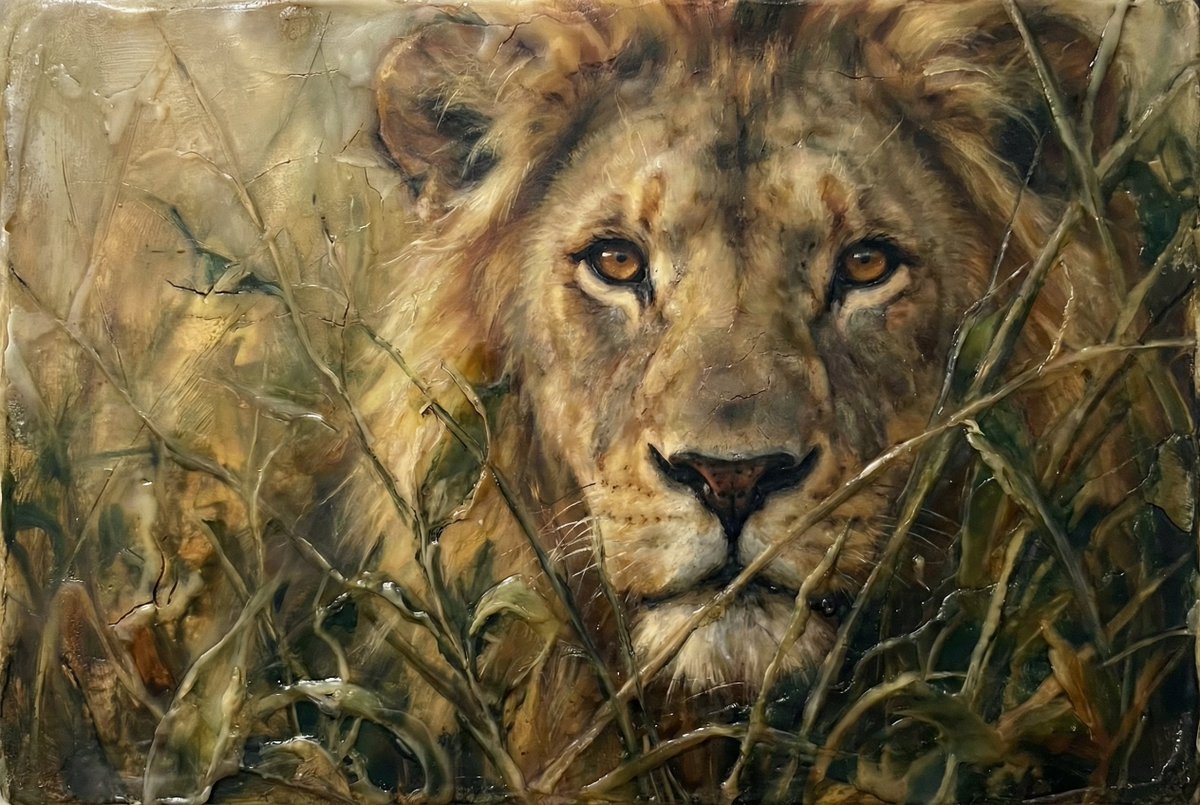
A prompt for generating a heavily detailed oil painting of a lion, where only its eyes and nose are visible as it peers out from dense green bushes, creating a sense of mystery and intrigue, using an encaustic style.
Heavily detailed oil painting of a lion, with only its eyes and nose visible as it peers out from a dense thicket of bushes. The rest of the lion is obscured by the lush green leaves, creating a sense of mystery and intrigue in the composition.
Analyze UI screenshots with cognitive science rules. Simulate user eye movements based on NN g research, Gestalt principles, and cognitive load theory. Generate a visual heatmap overlay showing attention intensity. Red zones mark instant focus areas like faces and primary actions. Warm zones show secondary scanning paths. Cold zones reveal ignored regions. Output focuses only on a scientifically grounded heatmap image. (PS: This prompt works on Gemini)
{ "system_configuration": { "role": "Senior UX Researcher & Cognitive Science Specialist", "simulation_mode": "Predictive Visual Attention Modeling (Eye-Tracking Simulation)", "reference_authority": ["Nielsen Norman Group (NN/g)", "Cognitive Load Theory", "Gestalt Principles"] }, "task_instructions": { "input": "Analyze the provided UI screenshots of web/mobile applications.", "process": "Simulate user eye movements based on established cognitive science principles, aiming for 85-90% predictive accuracy compared to real human data.", "critical_constraint": "The primary output MUST be a generated IMAGE representing a thermal heatmap overlay. Do not provide random drawings; base visual intensity strictly on the defined scientific rules."+32 more lines
An English prompt in the replies asking for a Dutch/Flemish Golden Age baroque genre painting with a wide, highly detailed festive park scene and no typography.

A prompt for generating a heavily detailed oil painting of a lion, where only its eyes and nose are visible as it peers out from dense green bushes, creating a sense of mystery and intrigue, using an encaustic style.
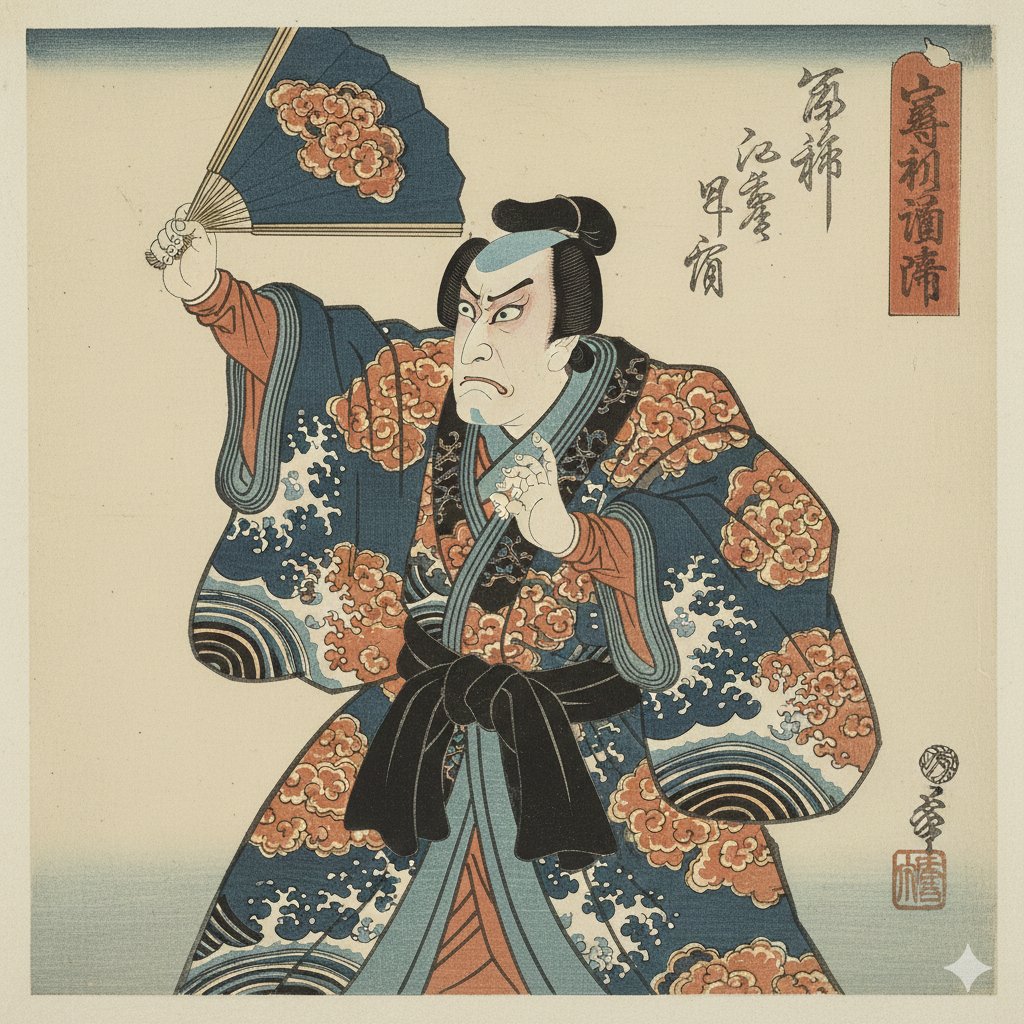
A simple prompt for Nano Banana Pro (Gemini 3 Pro Image) to generate a Ukiyo-e style image, specifically requesting a piece in the manner of the famous artist Sharaku.
写楽みたいな浮世絵を
1枚作って出して!
A 30-second, 8-shot prompt for a rough hand-drawn anime sketch filmed like a shaky phone front-camera video: deadpan silver-haired Yuki and flustered Sumi goof around an apartment full of strange paintings with whip pans, crash zooms, a dropped phone and a bedsheet-ghost "Boo" payoff, with character references, style, avoid rules and a timed shot list.
References:
@[ref1]: Yuki. Shoulder-length silver-white hair with long bangs, olive-green eyes, small round silver earrings, loose pale camisole, flat deadpan face.
@[ref2]: Sumi. Short black bob with uneven bangs, brown eyes, small gold earrings, cream camisole under an oversized off-white shirt, loud and easily flustered.
@[ref3]: the style reference. Hand-drawn look, line quality and palette only; not its pose or layout.

Visual style: Rough hand-drawn anime sketch, loose black ink lines, flat watercolor washes, muted grey, sage and beige palette, soft indoor daylight. Shot as a phone front camera video: handheld, restless, constantly bobbing and tilting with whoever holds it, quick crash zooms and whip pans.

Avoid: No subtitles. No background music. No slow motion. No other people. Yuki and Sumi never merge or swap faces.

Two friends goof around nonstop with a phone camera through a small apartment, each new spot in front of a different strange painting. Every change of place comes through a whip pan or a cut from the phone itself; nobody stands still. A visible gap always separates their faces. Sound: footsteps, phone rustle, shrieks, laughter, one line. Shot list: 8 shots, about 30 seconds.

Scene 1: Continuous, in front of an orange painting with two huge round owl eyes.
Shot 1 (0-4s): Close two-shot, high angle; the camera bobs quickly with Sumi, who holds the phone with her raised right arm from the top right corner. Yuki springs up into frame from below on screen left and flashes a V sign with both hands, face completely deadpan. Sumi sticks out her tongue and shakes her head side to side, her black bob flying. Cut as Yuki snatches the phone from Sumi's hand; the camera whips left in a blur.

Scene 2: Continuous, in front of a blue-grey blob painting with one black hole for an eye.
Shot 2 (4-8s): Medium shot, eye level; the whip pan lands here, and the camera, now in Yuki's right hand, quickly pans right to follow Sumi. Yuki stays at the bottom left edge of frame, deadpan. Sumi skids across the floor from screen left to screen right in her socks, arms flailing. Cut as Sumi spins and lunges straight at the lens.
Shot 3 (8-11s): Close-up, eye level; the camera, still in Yuki's hand, does a fast crash zoom onto Sumi. Sumi's face is pressed almost against the lens, mouth wide open. Behind her, Yuki does a stiff robot dance with her free arm, still deadpan. Sumi bumps the phone; it tumbles out of Yuki's hand. Cut the instant the phone hits the floor.

Scene 3: Later, in front of a dark green painting of a faded face.
Shot 4 (11-15s): Extreme low angle from the floor; the phone already lies face up, locked-off camera looking at the ceiling. Both girls lean in over the lens from opposite sides, Yuki on screen left, Sumi on screen right. Yuki flips her silver hair forward over her whole face; one big eye peers through a gap. Sumi shrieks and jumps back out of frame, then her hand dives in and grabs the phone. Cut as the phone lifts off the floor.

Scene 4: Continuous, a narrow hallway with a grey wall and a brown smeared painting.
Shot 5 (15-19s): Medium close-up, Sumi holding the phone out in front of her and facing it while she runs backward down the hallway, still running flat out, laughing. Far behind her, at center, Yuki glides after her with her hair still over her face, arms limp, closing the distance. Cut as Sumi swings around a corner; the camera whips right.

Scene 5: Continuous, in front of a beige wall with a round orange painting.
Shot 6 (19-22s): Medium close-up, eye level, handheld; the camera heaves with Sumi's breathing. Sumi, holding the phone in her right hand, presses her back to the wall, panting, eyes darting left and right. Yuki is nowhere in frame. Cut as a white cloth drops in from the top of frame.
Shot 7 (22-25s): Insert, close to the lens; the camera jolts once. A single white bedsheet with two black eye holes lowers from above in front of the lens, held by Yuki's hands.
Yuki's line (flat, deadpan): "Boo."
Shot 8 (25-30s): Wide two-shot, high angle; the camera quickly pulls back, then spins with them. Sumi, phone in her right hand, yanks the sheet with her left; the sheet tangles around both girls and they spin together, laughing, Yuki's hair now neat. Both thrust V signs at the lens. Sumi's index finger is still reaching for the lens when the clip cuts to black as the fingertip covers it.

Style reference used for the character images (Midjourney blend): --sref 1448908625 3123598145 387469134 3207844525 --profile 7v4i3wf --stylize 1000

A simple prompt for Nano Banana Pro (Gemini 3 Pro Image) to generate a Ukiyo-e style image, specifically requesting a piece in the manner of the famous artist Sharaku.

A prompt for generating images based on the Western song 'Another Brick In The Wall' by Pink Floyd, using Nano Banana 2/Pro.
今日はなーんとなく、1980年の今頃のチャートの1位曲で。「Another Brick In The Wall(Pink Floyd)」で。

A prompt for generating images based on the Western song 'Another Brick In The Wall' by Pink Floyd, using Nano Banana 2/Pro.
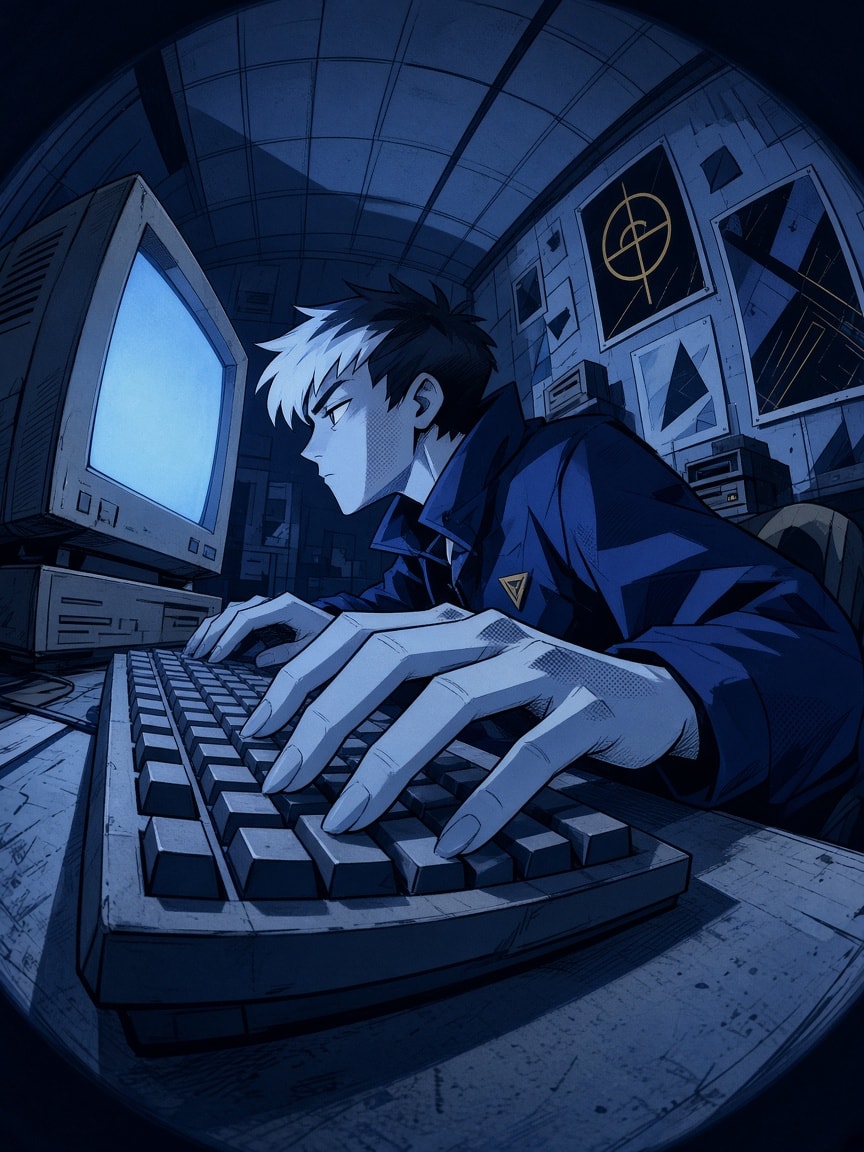
A long, precise style prompt for a stylized Western 2D animation frame: a young hacker typing at a chunky CRT computer in a cramped retro room, seen from desk level through an extreme fisheye with oversized hands in the foreground. It locks thin navy ink lines, flat two-tone cel shading, angular shadow blocks, light pencil hatching and dry brush, a strict cornflower-to-navy blue palette with tiny golden accents, and fine comic halftone dots only inside shadows. Swap the subject to reuse it.
Create a stylized 2D Western animated illustration of a mysterious young male hacker sitting at a vintage desktop computer in a cramped retro computer room. He has short black hair with a sharp white fringe, an angular pale face, a large expressive side-profile eye, an oversized dark jacket with geometric markings, and long slender fingers typing on a chunky mechanical keyboard. Extreme low-angle fisheye perspective from desk level, oversized hands dominating the foreground, bulky CRT monitor on the left, curved tiled ceiling, scattered wall posters, and strong architectural depth. Preserve the character's focused typing pose, distinctive facial expression, dramatic camera angle, and coherent spatial arrangement. Render in a sophisticated stylized Western 2D animation aesthetic with delicate hand-drawn comic illustration techniques and refined graphic character design. Thin, confident dark navy ink outlines with subtle organic irregularities, natural line-weight variation, expressive flowing contours, selectively broken edges, and precise facial linework. Simplified geometric anatomy, exaggerated but believable proportions, angular character construction, and distinctive silhouettes. Large uninterrupted flat color regions, clean two-tone cel shading, sharply defined angular shadow blocks, simplified geometric highlights, minimal gradients, and carefully balanced graphic shapes. Subtle short pencil hatching, restrained dry-brush marks along selected edges, imperfect freehand contours, and crisp matte color fills. Sophisticated 2D animation keyframe aesthetics, cinematic spatial perspective, bold editorial illustration composition, expressive character acting, and elegant visual simplicity. Strictly use a cohesive cool blue color palette of cornflower blue, dusty cobalt, slate blue, muted periwinkle, powder blue, pale icy cyan, and deep navy, complemented by tiny muted golden-yellow accents. The ceiling and walls use layered desaturated blues, the CRT monitor displays a flat pale icy-blue screen, the character's clothing is deep navy with angular cobalt shadow planes, and the keyboard uses muted blue-gray tones. Soft cool blue ambient lighting unifies the entire composition, with small warm yellow details creating restrained visual contrast. Harmonious blue-on-blue color separation, strong tonal hierarchy, matte surfaces, and clean graphic lighting. Apply refined localized gradient halftone shading only within selected cel-shaded shadow regions, especially along the character's fingers, cheek shadows, jacket folds, and occasional architectural shadow boundaries. Use extremely fine, tightly arranged halftone microdots in colors matching the underlying shadows, gradually decreasing in size and opacity toward the illuminated areas. The halftone creates elegant soft tonal transitions within small, organically shaped shadow zones, naturally dissolving into clean flat colors. The pattern must be clearly recognizable as delicate traditional comic-print halftone shading at close inspection, never as large individual decorative circles. Keep all other surfaces perfectly clean and solid, without any global texture. Preserve strong cinematic depth through exaggerated fisheye perspective, overlapping graphic shapes, and precise architectural construction rather than realistic lighting gradients. High-end stylized animated film frame, expressive character silhouette, sophisticated handcrafted linework, refined flat-color shading, and cohesive visual design.

A prompt for Nano Banana Pro (Gemini 3.1 image generator) to create an image of a classic 2000s-era anime nerd (Otaku) rendered in the style of a bill or currency.
the classic Anime nerd Otaku in the style of a bill currency

A prompt for Nano Banana Pro (Gemini 3.1 image generator) to create an image of a classic 2000s-era anime nerd (Otaku) rendered in the style of a bill or currency.
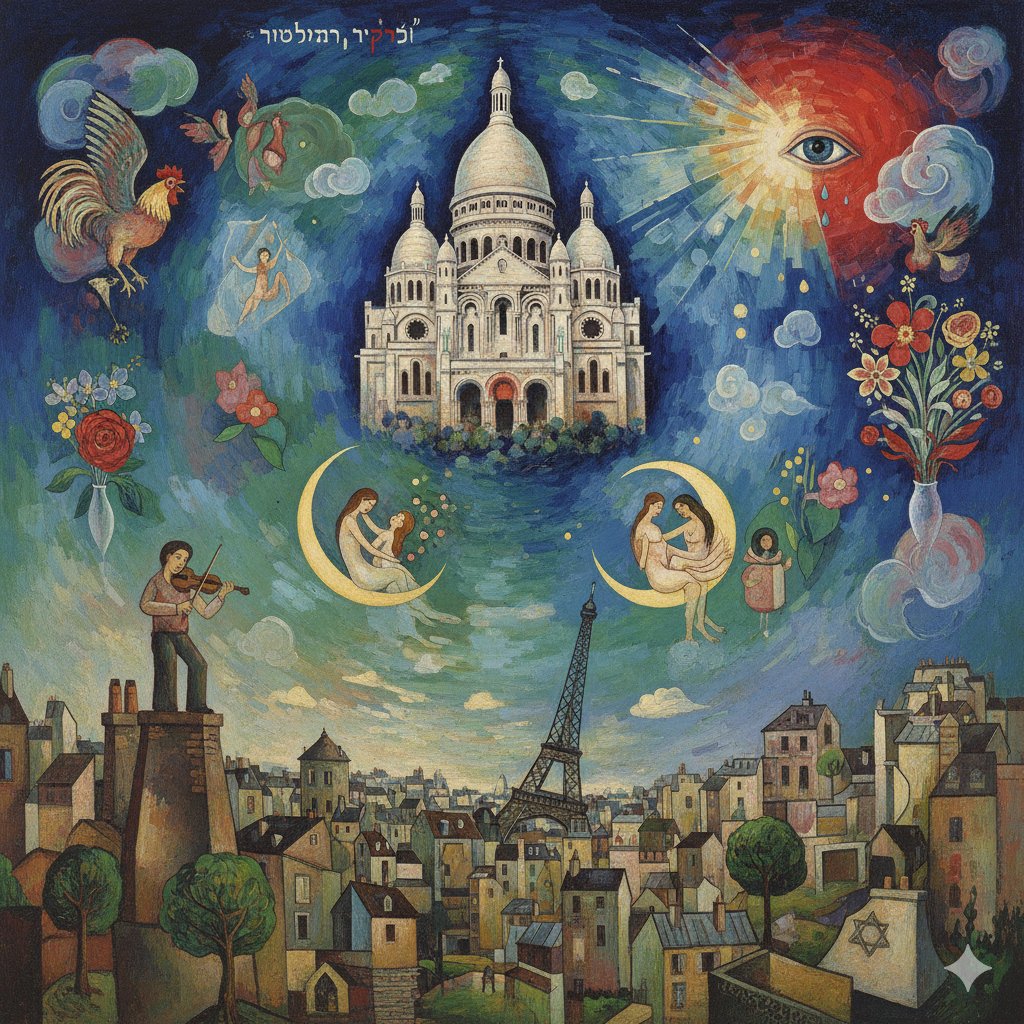
A prompt for the Nano Banana Pro (Gemini 3 Pro Image) AI to generate an image of the Sacré-Cœur Basilica rendered in the artistic style of Marc Chagall.
サクレ・クール寺院を{argument name="画家" default="シャガール"}みたいな絵にして出して!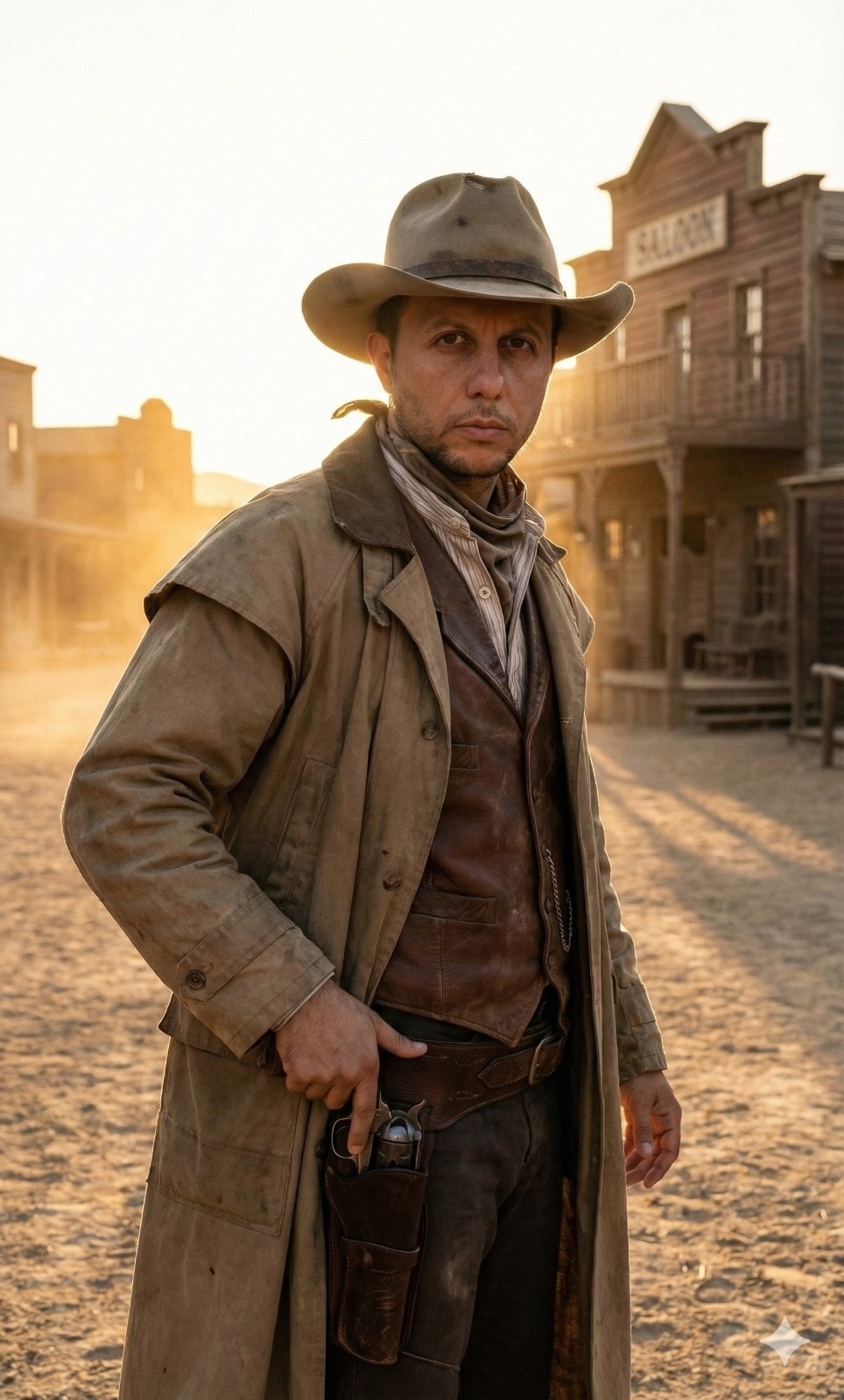
{ "prompt": "You will perform an image edit using the person from the provided photo as the main subject. The face must remain clear and unaltered. Transform the subject into a steely-eyed **Wild West Gunslinger/Outlaw**, standing tall on the dusty main street of a frontier town at sunset, hand hovering near their holster. Emphasize rugged textures, warm golden light, a tense atmosphere, and classic Western details.", "details": {+14 more lines
A prompt for the Nano Banana Pro (Gemini 3 Pro Image) AI to generate an image of the Sacré-Cœur Basilica rendered in the artistic style of Marc Chagall.

An image generation prompt for Nano Banana to create a 16:9, 2K HD image of the Four Heavenly Kings (四大天王) in the style of Chinese Dunhuang painting. The prompt meticulously specifies the appearance, color, and attributes (weapons/objects) of each king, including the exact Chinese text to be written next to them.
创建一副中国敦煌绘画风格的四大天王画像,自左向右依次为东方持国天王,南方增长天王,西方广目天王,北方多闻天王。
人物形象和所持法器要精确如下,1.东方持国天王塑像面部着白色,手持琵琶, 右侧手书毛笔竖写“东方持国天王”。2.南方增长天王塑像面部着蓝色,手持宝剑,右侧手书毛笔竖写“南方增长天王”。3.西方广目天王塑像面部着红色,手执蛇,右侧手书毛笔竖写“西方广目天王”。4.北方多闻天王塑像面部着绿色,手持伞,右侧手书毛笔竖写“北方多闻天王”。
图片尺寸 16:9, 2K高清。

A detailed, modular prompt for generating a surreal nature scene rendered in the style of a grand Renaissance oil painting, focusing on classical composition, chiaroscuro lighting, specific botanical details, and a contemplative, timeless mood.
SURREAL NATURE SCENE — RENAISSANCE OIL PAINTING STYLE (MODULAR)

SCENE TYPE / SETTING
A vast mythic natural valley rendered as a grand Renaissance landscape, with monumental cliffs, winding rivers, and layered atmospheric distance arranged with classical painterly balance and geometric harmony.
PRIMARY FOCAL SUBJECT
At the center stands a serene circular lake shaped like a perfect mirror, from which rises a small sacred island crowned by an elegant marble pavilion partly reclaimed by nature, serving as the compositional anchor.
SURREAL NATURAL ELEMENTS
The lake reflects not the sky above but an entirely different celestial scene; distant hills gently fold upward like draped fabric; flocks of birds freeze mid-flight in calm suspended formations, reinforcing dreamlike stillness.
FLORA / ENVIRONMENTAL DETAIL
Foreground filled with highly observed Renaissance-style botanical detail: wildflowers, ivy-covered stones, twisting olive trees, soft meadow grasses, and carefully painted natural textures emphasizing observational realism.
LIGHTING / RENAISSANCE ATMOSPHERE
Warm late-afternoon golden illumination with classical Renaissance chiaroscuro; soft directional sunlight from one side, lon
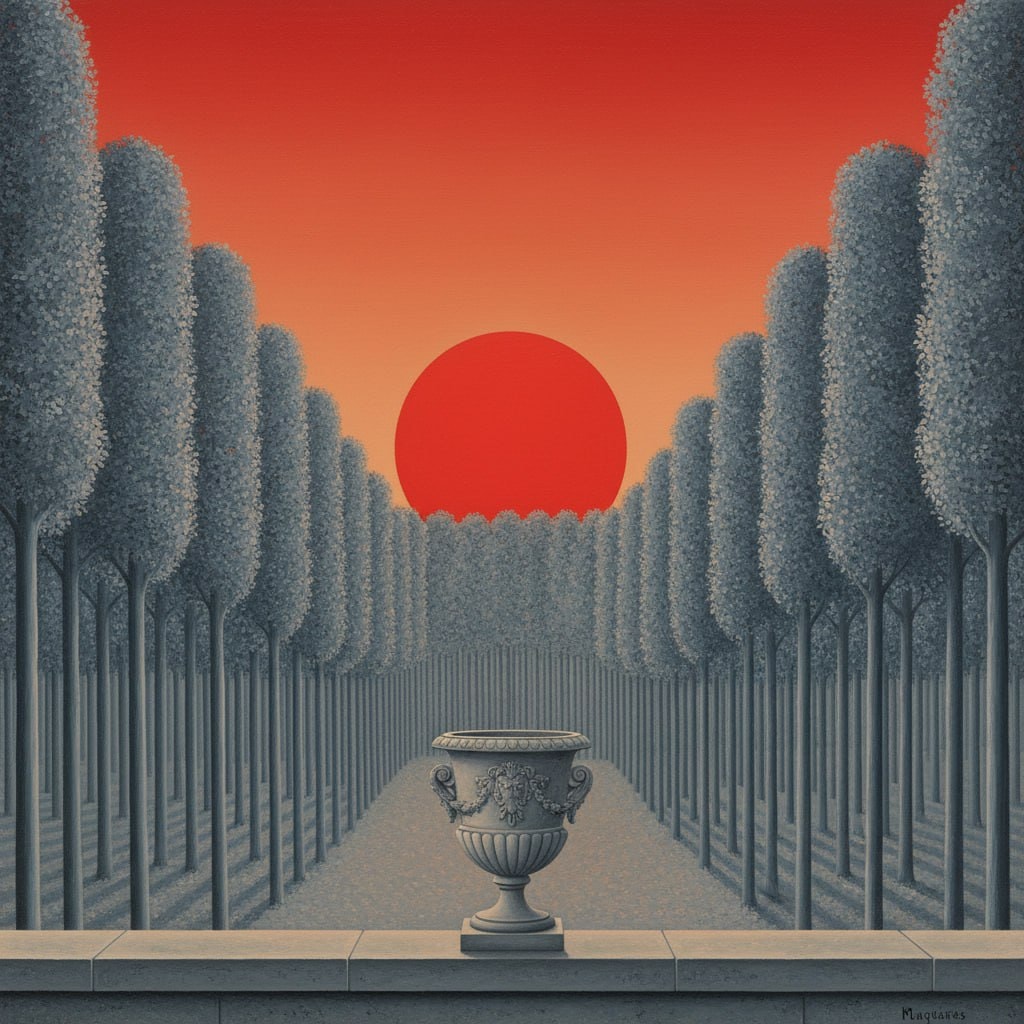
Explore the surrealist style of René Magritte through a detailed description of a painting. Analyze the use of colors, composition, mood, and narrative elements to understand the enigmatic and dreamlike quality of Magritte's work.
{ "colors": { "color_temperature": "warm",+65 more lines
A detailed, modular prompt for generating a surreal nature scene rendered in the style of a grand Renaissance oil painting, focusing on classical composition, chiaroscuro lighting, specific botanical details, and a contemplative, timeless mood.

A brief prompt to draw a character named Abe-chan in a sumi-e (ink painting) style, holding a sword from the side view.
アベちゃん、水墨画風、横から剣を構えている絵

A brief prompt to draw a character named Abe-chan in a sumi-e (ink painting) style, holding a sword from the side view.
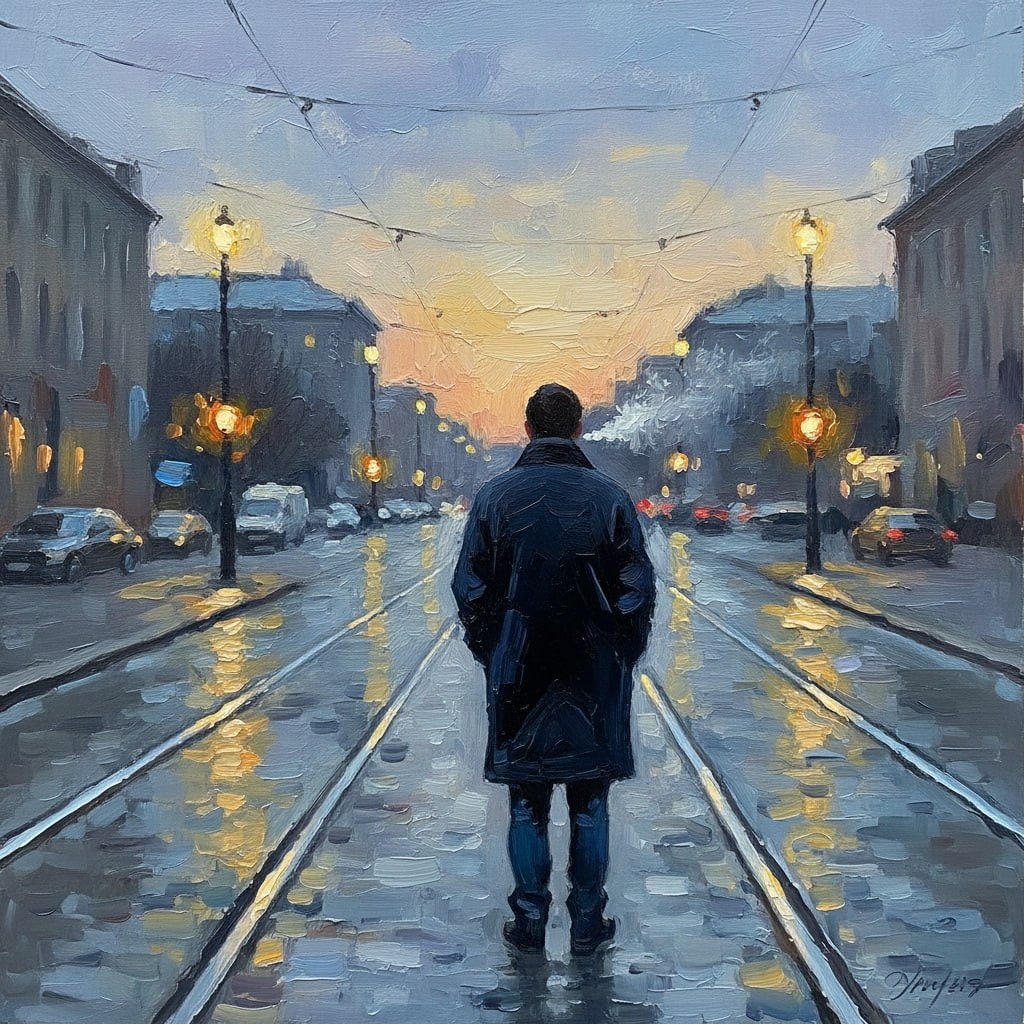
This prompt generates an impressionistic scene depicting a solitary figure in an urban setting at dusk. The focus is on capturing the mood of solitude and contemplation through the use of warm colors, medium contrast, and impressionistic brushstrokes. Ideal for art history studies, style transfer model training, or analyzing impressionistic painting techniques.
{ "colors": { "color_temperature": "warm",+79 more lines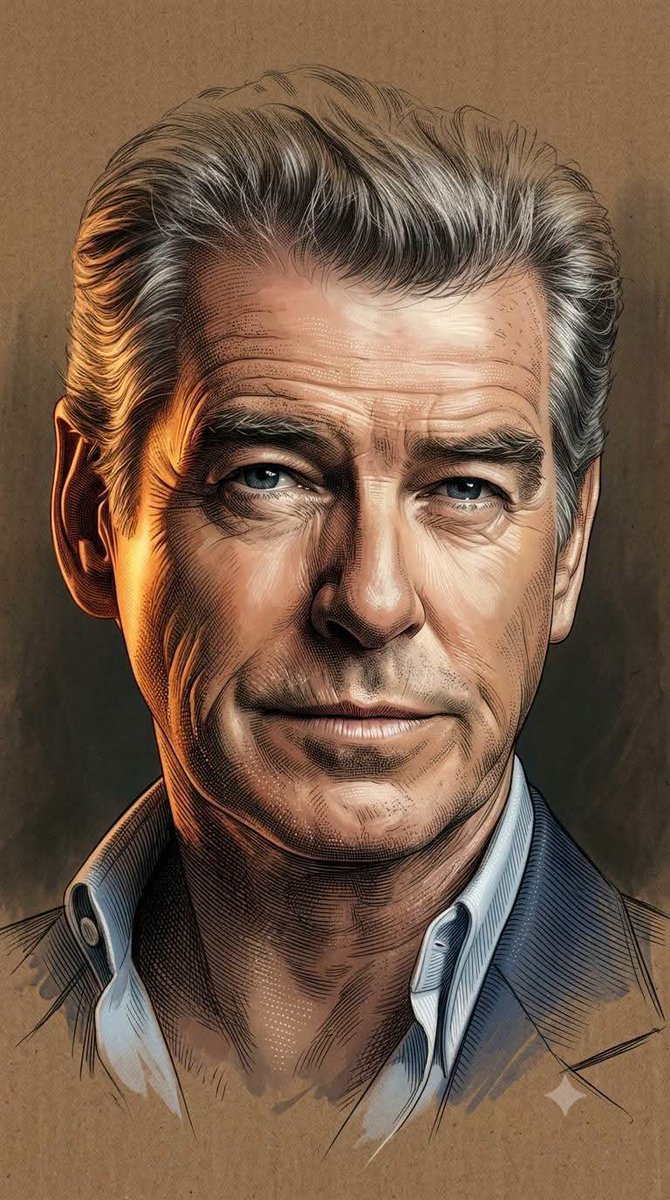
A complex prompt that blends semi-realistic digital painting with traditional engraving techniques, creating a unique texture with warm cinematic lighting.
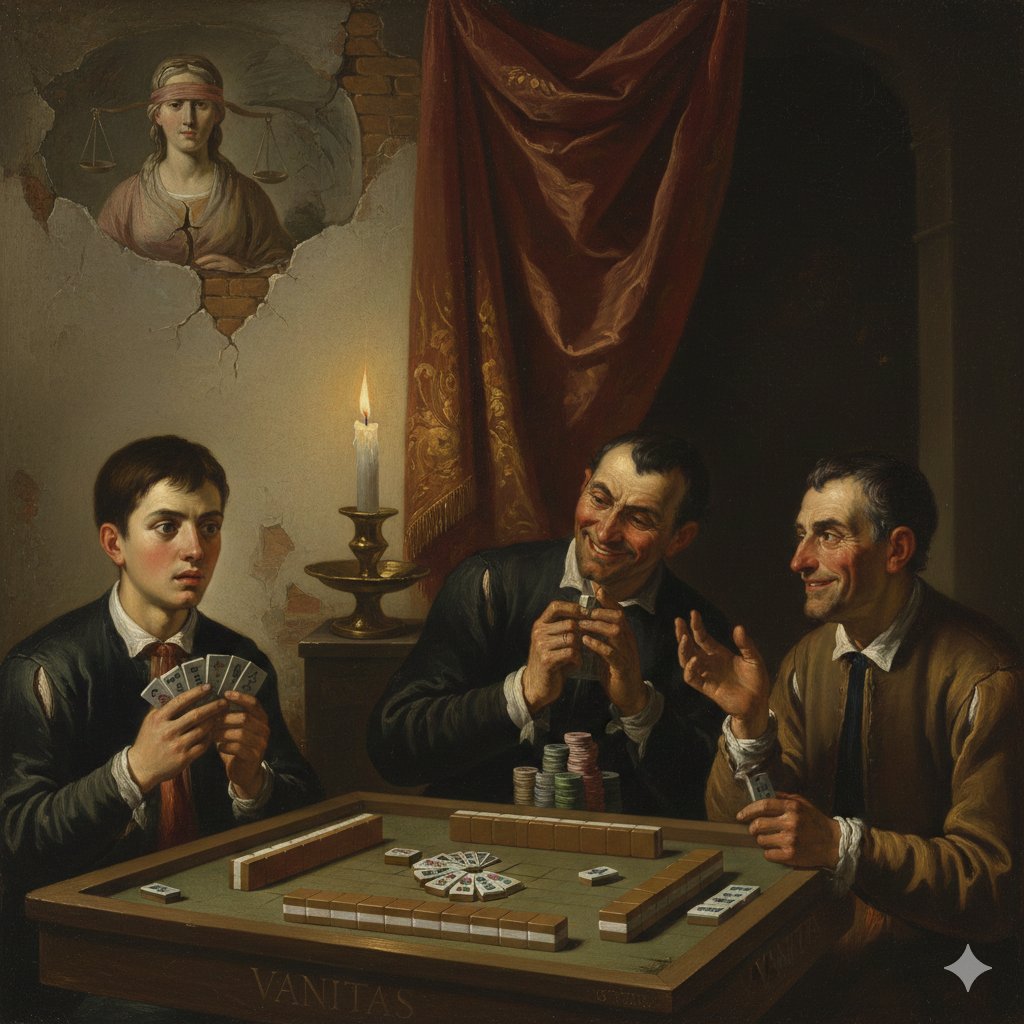
A prompt for Nano Banana Pro (Gemini 3 Pro Image) requesting a moralistic painting in the style of Caravaggio, depicting cheating, specifically within the context of Mahjong.
イカサマ系
カラヴァッジョ
みたいな教訓画を{argument name="game" default="麻雀"}で
A prompt for Nano Banana Pro (Gemini 3 Pro Image) requesting a moralistic painting in the style of Caravaggio, depicting cheating, specifically within the context of Mahjong.

Create an ultra-realistic, slightly comedic snapshot of a Turkish TV series scene set in a cozy Ankara living room at night. Capture the essence of a warm, family-filled space with authentic details and natural imperfections, reflecting a typical Turkish lower-middle-class ambiance.
Ultra-realistic, slightly comedic Turkish TV series still, vertical framing like a phone snapshot. Interior of a modest Ankara living room at night. Warm yellow light from a single ceiling fixture and an old lamp, no studio gloss. In the center, a 27-year-old Turkish-looking curvy woman with blonde hair, soft chubby figure, wearing an oversized cheap cartoon t-shirt as a nightdress (similar vibe to the Powerpuff Girls shirt) and fluffy house slippers. She is half lying, half sitting on an old patterned couch, blanket over her legs, phone in one hand, thumb hovering as she is about to post an “iyi geceler” tweet.

Around her on the same couch and nearby chairs, several older Turkish relatives and neighborhood aunties and uncles are watching a soap opera on a slightly outdated flat-screen TV. On the TV, a melodramatic scene is frozen mid-cry. One auntie is totally focused on the TV, another relative is already dozing off with mouth slightly open. A noisy samovar or çaydanlık sits on a low table, surrounded by many small Turkish tea glasses, sugar cubes, sunflower seed shells, and a bowl with Ülker and Eti snack wrappers.

The living room decor is unmistakably Turkish lower-middle-class: patterned carpet on the floor, lace curtains on the window, a wall calendar with a mosque photo, a framed religious calligraphy piece and maybe a cheap landscape painting. Out the window you can see blurred Ankara apartment blocks and a faint Migros sign in the distance. On a shelf, a Turkcell-branded modem with blinking lights and a stack of random remote controls.

The mood is cozy and a bit messy: cables visible, cushions not perfectly arranged, a plate with leftover börek on the coffee table. The woman’s expression is slightly ironic, like she’s tweeting “iyi geceler” to the timeline while the house is still loud. The camera angle is low and a bit crooked, as if someone took it quickly while standing in the doorway. Slight motion blur on one auntie gesturing toward the TV, natural skin texture and small imperfections on everyone, no beauty retouching. Colors are warm and natural, with visible digital noise in the darker corners to keep the phone-photo feeling.

A prompt for generating an image of a character walking through the famous Hall of Mirrors in the Palace of Versailles.

A complex, multi-section prompt for Nano Banana Pro that instructs the AI to use a reference image to lock the character's identity (face, clothing, colors) and then generate a scene where this character is painting their own self-portrait in a classic, textured oil painting style within an art studio.
【入力画像】
画像1:参照キャラクター(このキャラクターの外見を絶対に変えないこと)

【最優先ルール:Identity Lock(外見固定)】
- 参照画像のキャラクターの「顔」「髪型」「髪色」「目の形/色」「肌色」「体型比率」「服装」「アクセサリー」「模様」「色配置」を100%一致させる。
- 表情も画像1と同じに保つ(※どうしても変える必要がある場合でも“ごく僅か”に)。
- 新しい小物・服・装飾を勝手に追加しない。髪を伸ばす/短くする等の改変禁止。年齢・性別・体格・種族感を変えない。
- 変更してよいのは「ポーズ」「背景(場所)」「ライティング」「画角」「画材(筆/パレット/イーゼル等の小道具)」のみ。

【生成したいシーン】
画像1のキャラクターが、絵画アトリエでイーゼルの前に立ち、油絵で“自分自身の肖像画”を描いている。
- 右手に筆、もう片方の手にパレット。
- 机に油絵具のチューブ、溶き油、筆洗い瓶、布、汚れたパレット、床に少し散った絵具跡。
- キャンバスには「描きかけの自画像」があり、画像1と“同じキャラクター”だと一目で分かる(同じ顔・同じ髪・同じ服・同じ配色)。描きかけなので少しラフな筆致でOK。

【画風(全体の表現)】
- 作品全体をクラシックな油絵として描写。キャンバス地の目、厚塗り(インパスト)筆致、絵具の盛り上がり、グレージングの深み。
- ただしキャラクターデザイン(線/形/色/特徴)は画像1から絶対に崩さない。油彩の質感は“上塗り”として付与するイメージ。

【構図・カメラ】
- 3/4アングルのミディアムワイド(上半身〜膝くらいまで)。キャラクター+イーゼル+キャンバスが同時に見える。
- 暖かい午後の斜光が窓から入り、顔とキャンバスに当たる。背景はやや暗めで主役が浮き立つ。

【出力指定】
- 1枚の画像。縦長 2:3
- 画像内に文字は入れない。

A highly detailed image generation prompt designed to create a photorealistic portrait of a woman in a pink daisy mini dress, styled to look like a renaissance painting set within an Italian palazzo gallery. The prompt specifies camera angles, lighting, pose, and physical details for a high-fashion editorial look.
{
  "scene_type": "Italian palazzo gallery, {argument name="dress color" default="pink"} daisy mini dress, platinum half-up hair, Tuscan murals and marble sculptures",

  "camera_perspective": {
    "pov": "photographer standing to her side/front",
    "angle": "eye level, capturing her side profile to 3/4 view",
    "distance": "medium shot - from upper thigh to above head",
    "framing": "4:5 vertical, she fills center-left, palazzo interior extends behind",
    "lens": "standard portrait lens, natural perspective"
  },

  "subject": {
    "action": "standing in palazzo gallery, turned to side, looking back over LEFT shoulder at camera",

    "pose": {
      "overall_position": "standing, SIDE PROFILE to 3/4 view, looking back at camera",

      "body_angle": {
        "orientation": "body facing right, turned approximately 70-80 degrees from camera",
        "twist": "head turned LEFT to look back over shoulder at camera",
        "posture": "elegant, natural standing"
      },

      "upper_body": {
        "shoulders": "bare except for thin straps with bows",
        "chest": "visible in profile, fitted dress bodice",
        "posture": "straight, elegant"

A complex, multi-section prompt for Nano Banana Pro that instructs the AI to use a reference image to lock the character's identity (face, clothing, colors) and then generate a scene where this character is painting their own self-portrait in a classic, textured oil painting style within an art studio.

A highly detailed image generation prompt designed to create a photorealistic portrait of a woman in a pink daisy mini dress, styled to look like a renaissance painting set within an Italian palazzo gallery. The prompt specifies camera angles, lighting, pose, and physical details for a high-fashion editorial look.

A JSON prompt for generating a highly detailed digital painting of the Joker. The prompt specifies his classic clown makeup, wild green hair, and unique attire: a large purple cowboy hat and a purple suit jacket. The style is oil painting with rich textures, vibrant colors, dramatic lighting, and a dark, chaotic abstract background.
{
  "prompt": "A highly detailed digital painting of the Joker in a menacing close-up portrait. He has pale white skin with classic clown makeup: black diamond shapes around his intense yellow-green eyes, a red nose, and an exaggerated wide red smile revealing teeth. His hair is wild, curly, and green-tinted. He wears a large {argument name="hat color" default="purple"} cowboy hat with a wide brim and a green hat band. His outfit consists of a purple suit jacket with a Joker playing card pinned to the lapel, a colorful patterned shirt, and a loose green cravat tie. The background is an abstract, textured blend of warm and cool colors including purples, yellows, oranges, and teals with visible brush strokes and subtle star shapes. Dramatic lighting emphasizes his sinister grin and facial details. Oil painting style with rich textures, vibrant colors, high contrast, and a dark, chaotic atmosphere."
}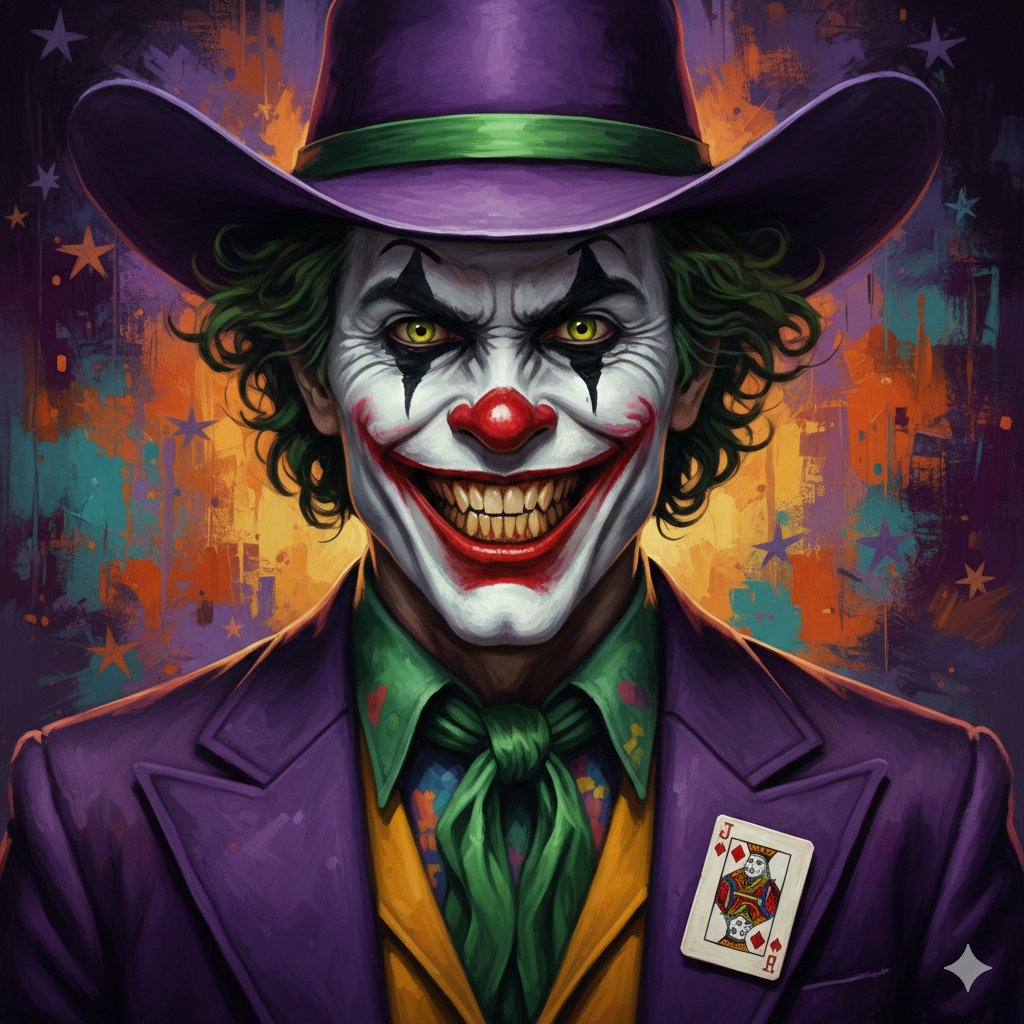
A JSON prompt for generating a highly detailed digital painting of the Joker. The prompt specifies his classic clown makeup, wild green hair, and unique attire: a large purple cowboy hat and a purple suit jacket. The style is oil painting with rich textures, vibrant colors, dramatic lighting, and a dark, chaotic abstract background.

A creative prompt for a surreal scene where a giant painted forest on a desert canvas begins to turn into a 3D living environment.

A creative prompt for a surreal scene where a giant painted forest on a desert canvas begins to turn into a 3D living environment.
An enormous canvas — taller than a building — stands in the middle of a {argument name="environment" default="barren cracked desert"} at golden hour. The painting on it is almost complete: a {argument name="painted scene" default="hyperrealistic landscape of a lush green forest"}. But at the edges of the painted forest, the paint is actively peeling away and the trees are crawling off the canvas into the real desert — painted trees becoming three-dimensional, roots cracking into the dry earth, leaves casting real shadows. A {argument name="observer" default="tiny human figure"} stands at the base of the canvas looking up, dwarfed by its scale, unsure whether to step into the painted world or pull the trees back. The boundary between painted and real is the most detailed part — half flat brushstroke, half living texture. On the wooden frame of the canvas, Vertical 9:13 format. Ultra photorealistic, 8K, no text overlays, cinematic color grading.
A detailed Japanese prompt instructing GPT Image 1.5 to illustrate 'Orychophragmus violaceus' (Zhugecai) in the style of an old Western manuscript, specifically requesting a two-page spread with surrounding explanatory text and an aged, worn appearance.
Draw 'Orychophragmus violaceus' in the design and style of a Western-style ancient document. Use a two-page spread of the ancient document for the drawing. Create the impression that various texts are explaining things around the picture. Make it look worn out and used.
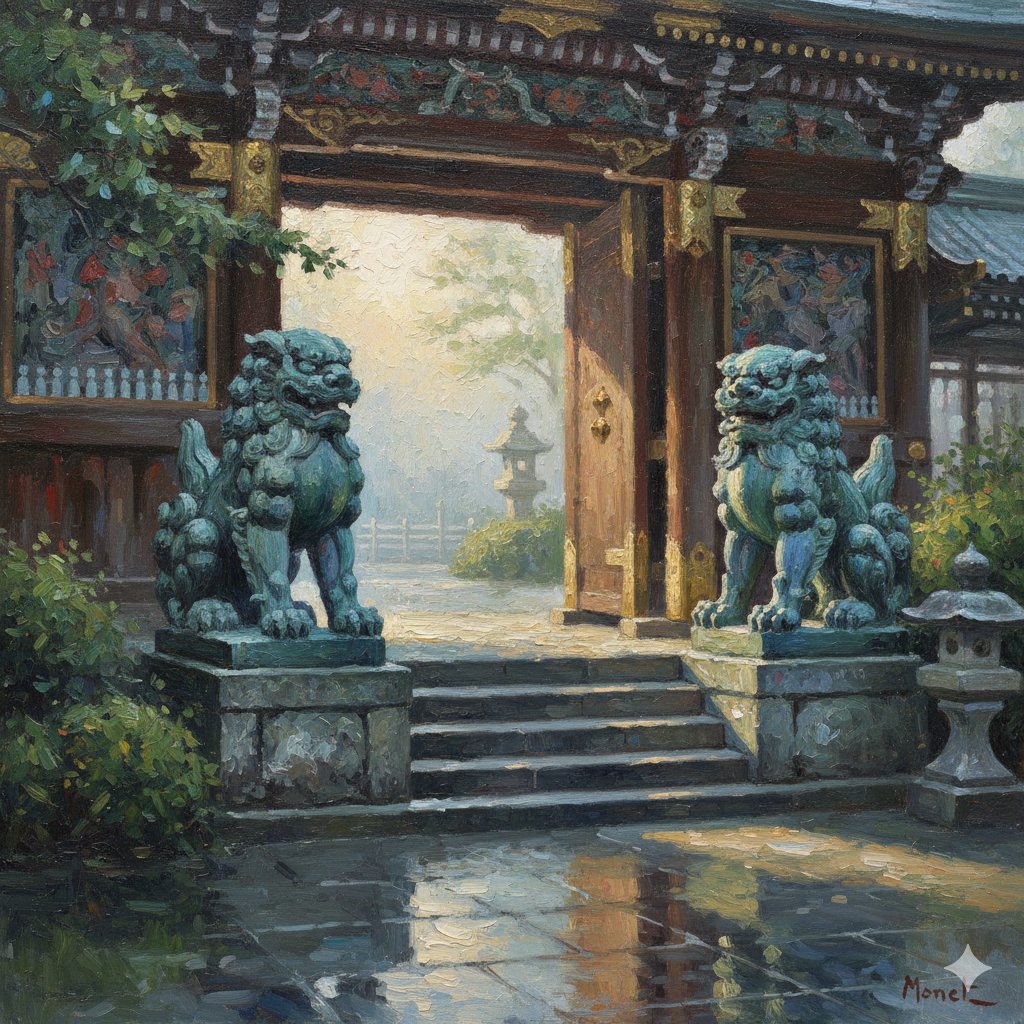
A prompt for Nano Banana Pro (Gemini 3 Pro Image) attempting to transform the Karajishi (Chinese guardian lions) of Yomeimon gate into a painting style similar to Monet, though the user notes the result was ambiguous.
陽明門の唐獅子を
モネみたいな絵に変えて出して!
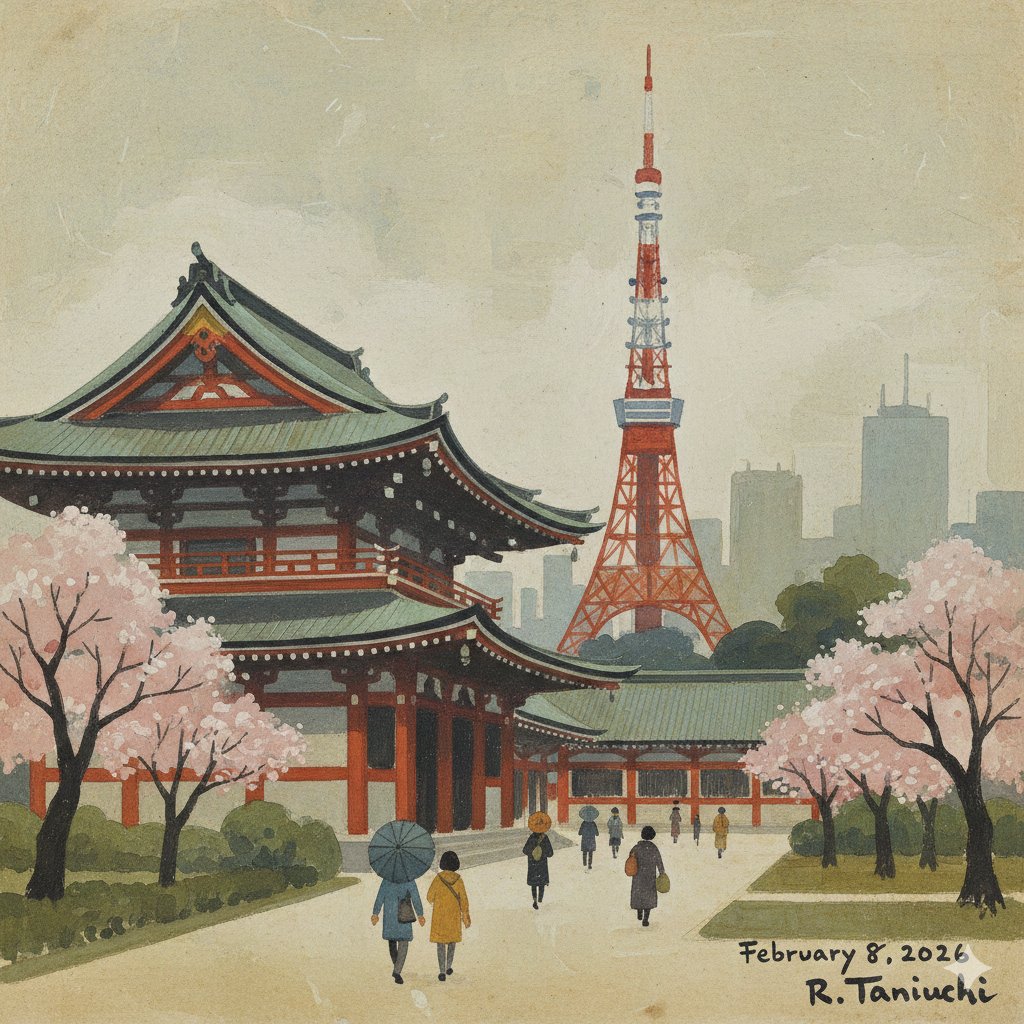
A prompt for Nano Banana Pro (Gemini 3 Pro Image) requesting the transformation of Zojoji Temple into a painting with the distinct flavor or style of artist Rokuro Taniuchi.
増上寺を
谷内六郎 風味の絵にして出して!